The Importance of Hiring an Arborist for Tree Care: Learn About Their Specialized Work
Engaging an arborist is necessary for successful tree management. Their specialized knowledge allows precise evaluations of tree well-being, pest management, and proper pruning techniques. They also evaluate surrounding environmental conditions, customizing management strategies that promote the sustained health and security of the trees. Grasping the scope of their professional offerings can greatly impact the health of your landscape. Examining their professional services shows the crucial nature of their function in keeping your green space flourishing.
Understanding the Role of an Arborist
Many people mistakenly believe tree care is straightforward, understanding the role of an arborist reveals a profession that is significantly broader than basic maintenance. Arborists are extensively educated professionals who focus on the health and safety of trees. Their expertise includes diagnosing tree diseases, understanding pest management, and offering correct trimming methods to guarantee ideal growth.
Arborists also evaluate environmental factors that influence the vitality of trees, such as the composition of the ground and nearby plant life. A significant part of their job is evaluating risk, especially in urban areas where trees might create risks to structures and individuals. Because they understand tree science and municipal rules, arborists serve an essential function in promoting sustainable landscaping practices. By employing advanced tools and techniques, they help maintain the aesthetic appeal and natural equilibrium of green spaces. Consequently, the arborist's role is essential for the long-term health and sustainability of trees.
Advantages of Expert Tree Evaluation
When an expert arborist evaluates your trees, the benefits extend far beyond simple visual inspections. An in-depth tree inspection covers assessing the total vitality, stability of the structure, and possible dangers related to the tree. Arborists utilize specialized tools and techniques to identify issues such as disease, pest infestations, and structural weaknesses that cannot be seen by the average person.
Furthermore, expert evaluations offer vital understanding of what every tree requires, ensuring tailored care that promotes long-term health. This proactive approach works to avert future problems, lessening the possibility of costly removals or property harm. Moreover, precise evaluations enhance the security of the local area, as arborists can make informed recommendations for upkeep or specialized treatment. In conclusion, paying for a expert tree inspection enhances the longevity and health of trees, supporting a thriving ecosystem.
Secure and Efficient Arboricultural Trimming Practices
Effective trimming is essential to maintaining tree health and aesthetics. Certified trimmers utilize specialized methods to guarantee that cuts are made without risk and productively, reducing harm to the tree. Grasping these techniques can greatly enhance the durability and strength of trees in every environment.
Importance of Proper Pruning
Effective tree pruning is fundamentally important in sustaining the condition and visual appeal of trees. Appropriate cutting practices help remove unhealthy or decaying limbs, promoting better air circulation and sunlight penetration, which is essential for the total health of the tree. Furthermore, planned cutting can improve the tree's form, lessening the possibility of injury during storms. Visually speaking, expertly trimmed trees contribute to landscape beauty, creating a pleasing aesthetic in home and business environments (Florence Arborist). On top of this, correct trimming fosters vigorous growth and minimizes the likelihood of pest infestations. By relying on the knowledge of an arborist, tree owners can guarantee that their trees receive the appropriate attention, in the end fostering durability and strength in their foliage
Practices for Risk-Free Cutting
The right techniques for safe pruning are vital for optimizing tree vitality and guaranteeing the security of the tree as well as the individual performing the work. Tree experts stress the need of using clean, sharp tools to execute accurate cuts, which reduces the risk of injury and tree injury. Appropriate cutting practices feature the three-step approach for thicker limbs, which prevents tearing of the bark. It is necessary as well to prune during the tree's inactive period to minimize stress. Arborists recommend removing a maximum of 25% of a tree’s foliage in a single session to prevent trauma. In addition, understanding tree growth patterns and refraining from making cuts near the base helps maintain the tree’s structural integrity and promotes healthy regrowth.
Identifying Tree Diseases and Treatment Plans
Diagnosing tree diseases requires a careful watch and a systematic approach, as each sickness can present unique symptoms. Tree specialists use their knowledge to identify specific issues such as fungus-related diseases, ailments caused by bacteria, and harmful pest activity. Arborists begin by examining leaves, outer layer, and root systems, looking for discoloration, drooping, or unusual growth patterns that suggest a difficulty
(Florence Arborist)When the ailment is identified, tree care experts suggest suitable remedies tailored to the specific disease. Treatments may include using chemical controls for pests and fungi, using correct irrigation methods, or modifying the soil's acidity. In addition, they may advise on the importance of ensuring comprehensive tree vitality through proper nutrition and care
Why Tree Removal and Stump Grinding Are Necessary
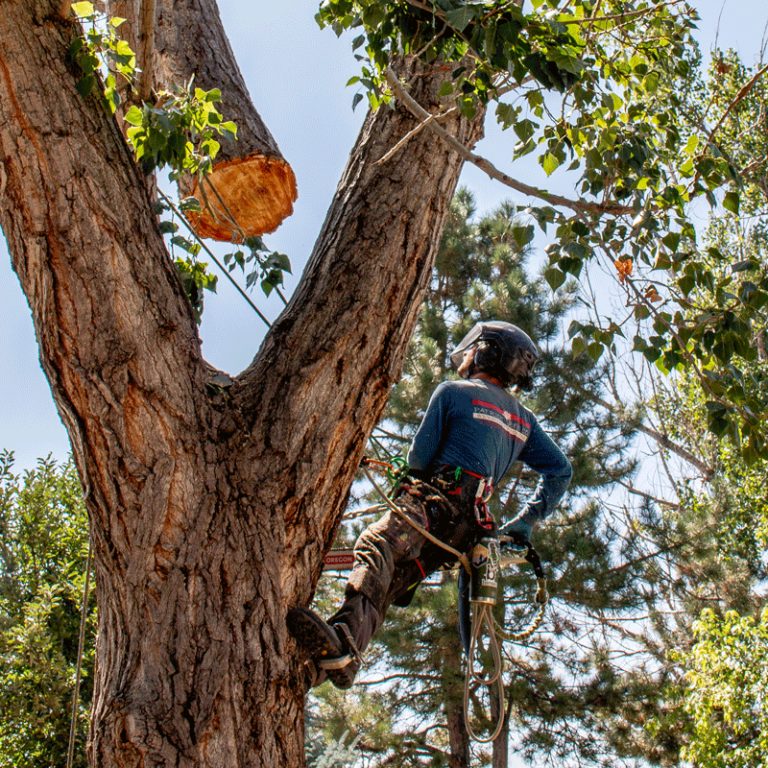
Removing trees and grinding stumps is vital for keeping yards and gardens safe, as compromised or hazardous trees can create major risks. Additionally, grinding out stumps boosts the beauty of the landscape and deterring future insect problems. Understanding these factors emphasizes the value of employing a certified tree specialist for effective tree care.
Evaluating Safety Hazards
Executing a detailed hazard assessment is vital when preparing for tree felling and stump grinding. This evaluation identifies potential hazards, such as compromised boughs, proximity to structures, and subsurface infrastructure. Tree specialists employ their knowledge to determine the safest approach for removing trees, guaranteeing minimal risk to structures and personnel. Experts examine the health of the tree, nearby area, and weather conditions, each of which affects security during the removal process. In addition, stump grinding presents its own set of risks, including the possibility of physical damage from tools or scattered remnants. An extensive safety assessment mitigates these risks, resulting in a smoother and more secure delivery of tree care services. Hiring an expert tree specialist guarantees that all safety protocols are followed diligently.
Enhancing Your Landscape's Aesthetics
While maintaining a beautiful landscape increases the value and attractiveness of your property, the presence of dead or overgrown trees diminishes its beauty. It is often necessary to remove trees to revitalize outdoor spaces, leading to improved light penetration and better growth for nearby vegetation. In addition, stumps that look bad can clutter the view and present a risk of tripping. Grinding stumps provides a solution, effectively removing the remnants of felled trees and ensuring the landscape looks uniform. Using the services of an arborist, homeowners can ensure that tree removal and stump grinding are performed safely and efficiently. This professional expertise not only boosts the aesthetic but also contributes to a healthier environment for existing plants, culminating in a more attractive and welcoming outdoor area.
Avoiding Pest Problems
An inviting outdoor space is easily ruined by the presence of dead or decaying trees, which frequently become places where pests multiply. Such infestations often result in major damage, affecting not only the trees but also to adjacent structures and vegetation. An arborist is vital for spotting trees that pose a threat and deciding if removal is necessary. Additionally, stump grinding removes possible pest environments left by uprooted trees, ensuring the landscape is better protected. Routine checks and preventative actions, such as tree removal and stump grinding, help maintain a healthy ecosystem, keeping expensive infestations at bay. In the end, an experienced arborist ensures that your outdoor areas stay lively and free of pests, protecting both the environment and the beauty of the area.
Expert Advice on Tree Placement and Landscape Design
Strategically positioning trees significantly improves the visual attractiveness and the environmental equilibrium of the landscape. Arborists provide expert advice on selecting tree species that thrive in specific environments, taking into account elements like climate, soil type, and sunlight. They emphasize the importance of spacing, making sure trees have enough space to develop preventing competition for necessary resources.
Moreover, arborists evaluate the landscape's complete design, advising on tree positioning that harmonizes with current foliage and buildings. This intentional positioning doesn't just enhance the visual balance but also encourages biodiversity by drawing in wildlife.
Beyond this, they offer guidance on tree placement to create natural windbreaks and shade, boosting the energy savings for adjacent structures. Utilizing their specialized knowledge, property owners can cultivate landscapes that are both beautiful and sustainable, resulting in lasting contentment and responsible ecological management.
Continuous Upkeep and Nurturing for Healthy Trees
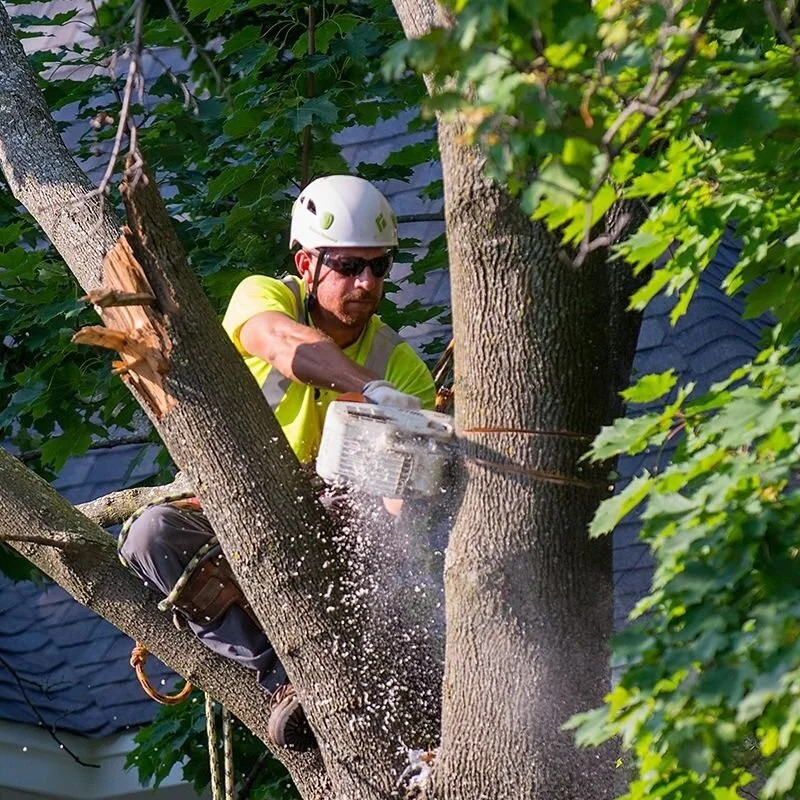
Ongoing maintenance is crucial for guaranteeing the sustained vitality and vigor of trees in every environment. Tree specialists provide expert assistance that include periodic assessments, cutting, and insect mitigation, all aimed at promoting ideal growth and preventing disease. Through checking the state of trees and the quality of the soil, they are able to spot looming problems before they become serious, sparing clients expense and effort.
Routine pruning helps maintain tree shape and eliminating diseased or decaying wood, allowing for better air circulation and light penetration. Specialists further access this information share knowledge on correct irrigation methods and ground cover application strategies that boost the soil's richness. Furthermore, they are able to suggest nutrient application timelines customized for particular types of trees, ensuring they receive the necessary nutrients.
Commonly Asked Queries
What is the best way to select a suitable arborist for My Needs?
To pick the best arborist, one should verify credentials, assess experience, read reviews, and ask for estimates. Moreover, detailing your exact needs confirms the hired specialist is consistent with your specific needs and necessary tree maintenance.
What Certifications Should I Look for in an Arborist?
When selecting an arborist, it is wise to find accreditations such as ISA (International Society of Arboriculture certification), TCIA (Tree Care Industry Association accreditation), and local licensing, confirming the expert possesses the required knowledge and skill set.
How Often Should I Hire an Arborist for Tree Care?
An arborist should be hired at least once a year for routine maintenance, but additional appointments might be required for newly planted trees or trees facing particular health issues, ensuring proper growth and longevity.
Do Arborists Provide Support for Legal Disputes Involving Trees?
Yes, arborists can assist with tree-related legal issues (Florence Arborist). They provide expert assessments, documentation, and testimony regarding tree health, safety, and maintenance, aiding in settling disagreements involving boundary disputes, responsibility, and municipal codes efficiently
What Happens During an Initial Consultation With a Tree Care Expert?
During this initial assessment, the arborist checks the health of the tree, addresses your issues, gives advice, and outlines potential services. You can anticipate a thorough evaluation and receive specialized recommendations focused on their individual tree care issues.